7 Steps to Low Cortisol Aim in Valorant
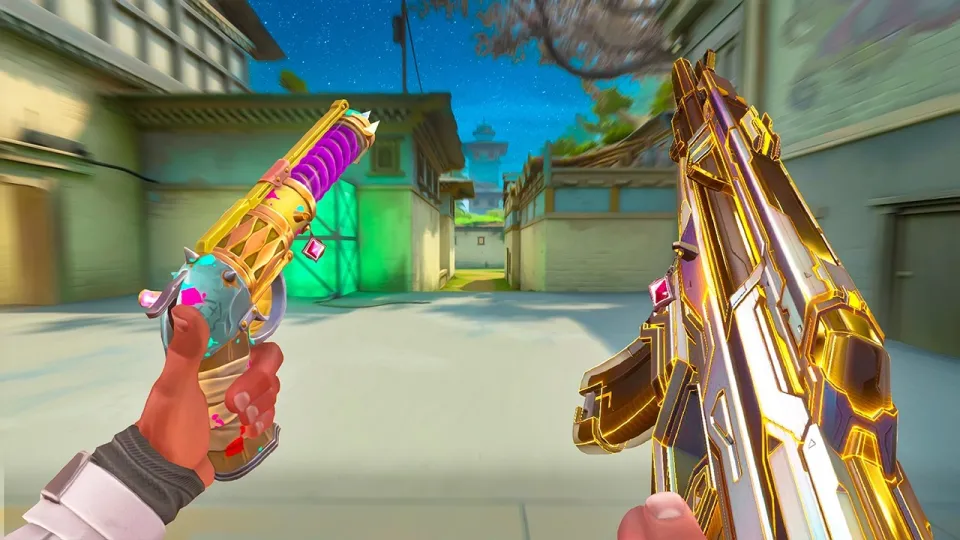
Video: low cortisol aim..
You can order the same kind of articles for your own video to boost it on YouTube and Google. Just message the Telegram bot @sat_sit_bot. Articles with your video embedded are written and posted by the bot itself — on popular topical sites (no ads). Free trial — 50 articles.
Low cortisol aim in Valorant is a style of aiming built on calm, repeatable mouse control instead of adrenaline-driven flicks: you keep your crosshair at head level, move in short controlled bursts, and let tracking and micro-adjustments do the work. Rawzu's "low cortisol aim.." video is a clean example of that approach, and if you want the same conditions on your own machine, start by optimizing your setup through the Hone optimization page before changing anything in-game.
What low cortisol aim actually means in Valorant
Low cortisol aim is the opposite of panic aiming: it is the habit of keeping your hand relaxed, your sens low enough for precision, and your decisions pre-made so the mouse never has to rescue a bad position. In Valorant, where a single headshot from a Vandal or Phantom ends a duel, calm crosshair placement beats raw flick speed almost every time. The term itself comes from the idea that a stressed player over-grips the mouse, overshoots micro-adjustments and starts spraying at ranges where a tap would do.
The practical translation is simple. You stop treating every engagement as a reflex test and start treating it as a placement problem: where is the enemy likely to appear, at what height is the head, and how little does the mouse need to move to get there. Rawzu's clips lean on exactly this — short, quiet corrections rather than dramatic swipes.
The Rawzu Valorant settings behind the calm aim
Rawzu's setup is deliberately conservative, and every value is public in the video description. Copying it will not make you calm by itself, but it removes the variables that make aim feel twitchy.
- Sensitivity: 400 DPI with 0.625 in-game, which is a low-sens, arm-driven setup typical of precise duelists.
- Resolution: 1440x1080, a stretched 4:3 style format that widens player models and makes heads easier to read.
- Crosshair: the 1-6-2-2 configuration — thin lines, short gap, no clutter on screen.
- Mouse: Logitech G Pro X Superlight 2, a light wireless shape that keeps micro-flicks consistent.
- Mousepad: Artisan Zero Soft, a control-oriented pad that adds stopping power to every movement.
- Monitor: Zowie XL2566K at 360Hz, which reduces the visual delay between seeing and correcting.
If your aim feels shaky, the pad and the sensitivity are the two values worth changing first. A control pad plus a low sens makes overshoot physically harder, which is exactly the point of a low cortisol setup.
Why Phoenix fits a calm, aggressive playstyle
Phoenix is an offensive duelist who specializes in hunting enemies down while crippling their ability to fire back, which makes him a natural fit for a player who wants controlled aggression rather than passive holding. His kit gives you tools to take space on your own terms.
- Blaze creates a wall that blocks vision and deals damage, letting Phoenix cross open, defended areas without walking into a crossfire.
- Curveball is a flash that blinds enemies even when they are tucked behind corners, so you can clear angles without exposing yourself first.
- Hot Hands adds a molly that damages and heals, giving Phoenix sustain inside the fight rather than after it.
- Run it Back is the ultimate that brings him back at full health, which lowers the cost of a risky entry.
For low cortisol aim, the value is in the flash and the wall: both let you decide when the duel starts, and a duel you started on your own timing is a duel your hand does not have to panic through.
Five habits that keep your aim calm under pressure
Calm aim is a routine, not a talent, and these five habits are the ones that show up in clean Phoenix gameplay. Each one is checkable in a single deathmatch.
- Anchor your crosshair at head height before you peek. Most "bad aim" is actually a crosshair placed at chest level, forcing a vertical correction mid-fight.
- Use short strafes and stop before you shoot. Moving while firing in Valorant costs accuracy; counter-strafing into a still shot is the core of controlled dueling.
- Keep your grip loose. A relaxed hand makes small corrections smooth; a tight grip turns a 2-pixel adjustment into a 20-pixel overshoot.
- Pre-aim the angle you expect, not the one you fear. The calm player commits to one angle and clears it methodically.
- Warm up with tracking, not flicks. Five to ten minutes of smooth tracking and micro-adjustment drills settles the hand far better than a flick-heavy routine.
Movement and crosshair discipline in the Rawzu clips
Viewers consistently point out that the movement is what stands out, not just the shots — the aim looks easy because the positioning makes it easy. That is the practical takeaway from the footage: the player arrives at angles already aimed, uses Phoenix's wall to cut sightlines, and only then commits to the fight.
A few concrete rules follow from that. Clear one angle at a time instead of swinging wide into two. Use the Blaze wall to split a site rather than to escape. After a kill, reset your crosshair to the next likely angle instead of holding the one you just cleared. And when a fight goes wrong, disengage with a flash rather than re-peeking into a pre-aimed opponent.
The crosshair itself matters here too. A thin, low-clutter 1-6-2-2 style reticle keeps your eye on the head rather than on the shape, which is why so many precision-focused players converge on similar minimal designs.
Common questions about calm aim and settings
A recurring theme in the comments is whether the settings or the player deserve the credit. The honest answer is that settings set the ceiling and habits decide how close you get to it: a 400 DPI / 0.625 sensitivity on a control pad will not fix crosshair placement, but it will stop your hand from fighting you.
Another common thread is audio and general vibe — clips that lean into a quiet, satisfying presentation invite the question of whether sound design affects focus. It does, mildly: consistent, low-distraction audio keeps you from reacting to noise instead of information. Treat sound as part of the setup, not as a substitute for practice.
Players also ask about hardware priorities. A 360Hz monitor helps only if your frame rate and your reaction consistency can use it; a control mousepad and a mouse you can grip comfortably change more for most players at the mid level. And if you are switching from a much higher sensitivity, expect a week or two of awkwardness before the arm-driven aim settles in.
Useful links
Final thoughts on building a low cortisol routine
Low cortisol aim is not a secret setting; it is a low sensitivity, a control-oriented pad, a clean crosshair and the discipline to pre-aim before you peek. Rawzu's Phoenix footage shows what that looks like in practice, and the channel is worth following if you want more examples of calm, methodical dueling rather than highlight-reel flicks. Take the six setup values from the description, add the five habits above, and give it two weeks before judging the result. If you want the foundation sorted first, run your PC through the Hone optimization page so stutter and frame drops stop interrupting your aim.
Key takeaways
- Rawzu runs 400 DPI with 0.625 in-game sensitivity and a 1440x1080 resolution.
- Crosshair code style 1-6-2-2, Logitech G Pro X Superlight 2 on an Artisan Zero Soft pad.
- Zowie XL2566K at 360Hz is the monitor behind the calm, low-cortisol aim look.
- Phoenix is the agent of choice: Curveball blinds, Blaze blocks vision, Run it Back adds a second life.
- The low cortisol approach favors repeatable micro-adjustments over flick speed.
Questions & answers
What sensitivity does Rawzu use in Valorant?
Rawzu plays at 400 DPI with 0.625 in-game sensitivity, on a 1440x1080 resolution. That is a low, arm-driven setup that favors precision over fast flicks, paired with a 1-6-2-2 style crosshair.
Does low cortisol aim mean playing slowly?
No. It means playing calmly: you pre-aim angles, counter-strafe into still shots and let micro-adjustments finish the duel instead of panic-flicking. The pace can still be aggressive, especially on a duelist like Phoenix who can start fights with a flash or a wall.
Is a 360Hz monitor necessary for calm aim?
Not necessary, but it helps if your frame rate can sustain it. The Zowie XL2566K at 360Hz reduces visual delay between seeing and correcting. A control mousepad and a comfortable mouse usually change more for mid-level players than refresh rate alone.
How long does it take to adjust to a lower sensitivity?
Expect roughly one to two weeks of awkwardness while your arm adapts. Warm up with smooth tracking and micro-adjustment drills rather than flick shots, and keep the sensitivity fixed during that period so the muscle memory has a stable target.
Source: low cortisol aim.. · Markdown version